

The world is full of extraordinary destinations that inspire awe, curiosity, and adventure. From ancient ruins and iconic cities to untouched rainforests and vibrant coral reefs, these places have captured the hearts and imaginations of travelers for generations. Yet many of these treasured experiences are increasingly under threat—from climate change, environmental degradation, overtourism, and human activity.
Visiting responsibly is no longer just a suggestion; it is a necessity. As some of the world’s most iconic destinations face uncertain futures, travelers have both an opportunity and a responsibility to experience them with care, respect, and sustainability. Below are some of the most remarkable bucket-list experiences that may not last forever.
Diving the Great Barrier Reef, Australia
Diving or snorkeling the Great Barrier Reef is a dream for many—and with good reason. Stretching more than 1,430 miles along Australia’s northeast coast, it is the largest living structure on Earth and visible from space. This UNESCO World Heritage Site supports an astonishing array of life, including 1,600 species of fish, 600 types of coral, and 180 species of sharks.
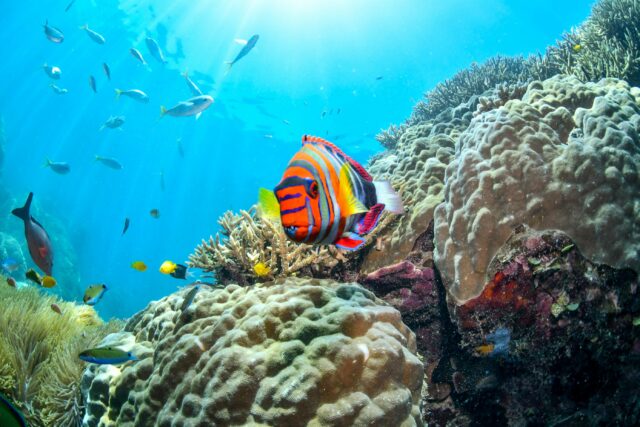
Exploring its crystal-clear waters and vibrant coral gardens is truly a once-in-a-lifetime experience. However, rising sea temperatures driven by climate change have triggered four mass coral bleaching events in just seven years. While coral can recover under the right conditions, ongoing marine heatwaves, ocean acidification, stronger storms, and habitat loss threaten the reef’s long-term survival.
Taking a Gondola in Venice, Italy
Each year, up to 30 million visitors flock to Venice, the legendary “Floating City,” to admire its water-lapped palazzos, stroll across its 400-plus bridges, and glide through its 150 canals by gondola. Founded in the 5th century, Venice rose to maritime dominance in the Middle Ages and became immortalized through the works of artists like Titian, Canaletto, and Monet.
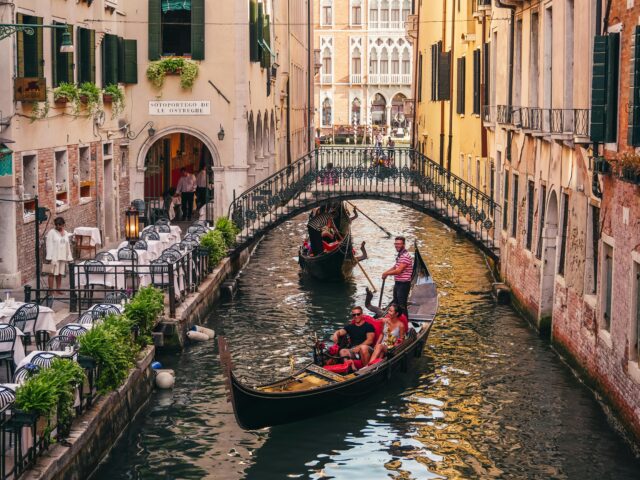
Today, Venice is a victim of its own popularity. Mass tourism, record-breaking heat, rising sea levels, and sinking foundations all threaten the city’s future. In response, authorities have introduced measures such as banning cruise ships, charging day-trippers an entry fee, and limiting tour group sizes. The MOSE flood defense system, completed in 2020, has helped protect the city, but long-term resilience remains uncertain.
Hanging with the Orangutans, Indonesia and Malaysia
Orangutans are found only on the Indonesian island of Sumatra and the island of Borneo, shared by Indonesia and Malaysia. The world’s largest tree-dwelling mammals, orangutans—whose name means “person of the forest”—share 96.4% of human DNA and are known for their intelligence and gentle nature.
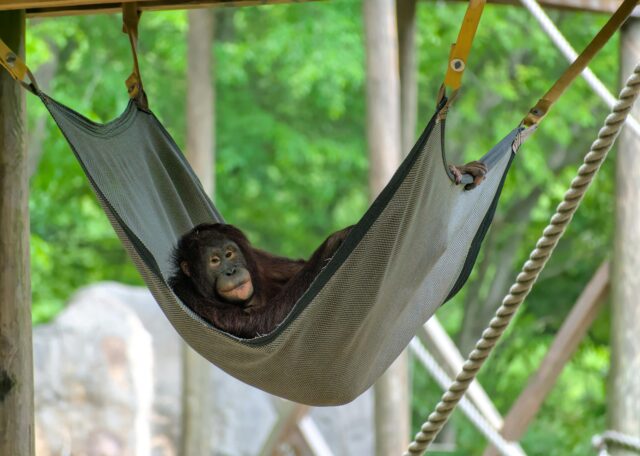
The best way to see these remarkable creatures is at sanctuaries and rehabilitation centers that focus on conservation and ethical wildlife viewing. Sadly, orangutans are critically endangered due to logging, deforestation, hunting, and the illegal wildlife trade. A century ago, there were an estimated 230,000 orangutans. Today, numbers have dropped to around 104,700 Bornean, 7,500 Sumatran, and just 800 Tapanuli orangutans—the most endangered great ape species.
Trekking to Machu Picchu, Peru
Perched at 7,972 feet above sea level, the 15th-century Incan citadel of Machu Picchu is one of South America’s most iconic and mysterious archaeological sites. Hidden from the outside world for centuries, it came to global attention in 1911 when American explorer Hiram Bingham introduced it to the wider public.
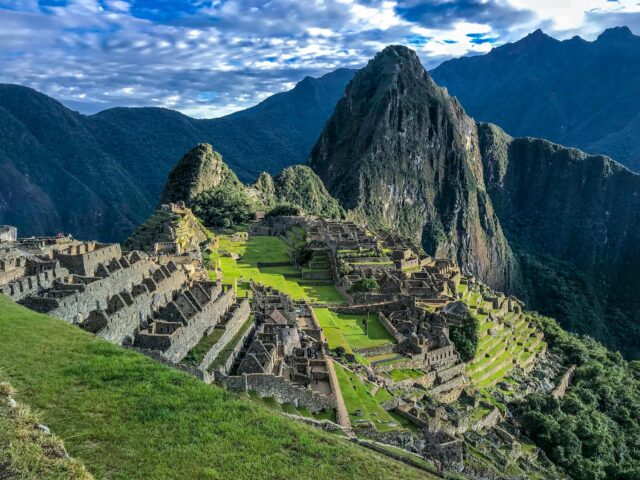
Many visitors choose to hike the challenging 26-mile Inca Trail to reach the ruins, passing cloud forests, mountain passes, and ancient stone pathways along the way. However, Machu Picchu faces the risk of collapse due to natural erosion and overtourism, including littering and vandalism. Although conservation efforts have increased, recent decisions to significantly raise daily visitor numbers have reignited concerns about the site’s long-term preservation.
Climbing the Statue of Liberty, New York, USA
Few landmarks symbolize freedom and democracy as powerfully as the Statue of Liberty. Standing 305 feet tall in New York Harbor, the statue was built in France in 1884, shipped across the Atlantic, and unveiled in 1886. Today, visitors can climb to the pedestal or, for a lucky few, ascend 215 steps to the crown for sweeping views of Manhattan and beyond.
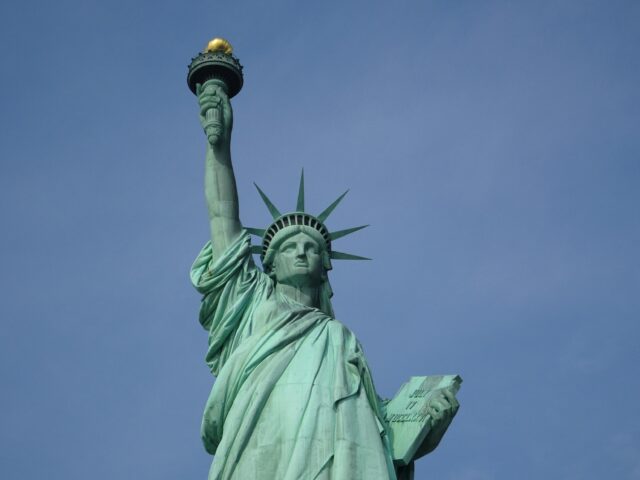
Yet the statue’s harbor location makes it vulnerable to rising sea levels and severe storms. Hurricane Sandy in 2012 highlighted this risk, and scientists predict that sea levels in New York City could rise between 8 and 30 inches by the 2050s—and up to 75 inches by 2100. Preservation work remains ongoing, but climate change continues to pose serious threats to this iconic monument.
Snorkeling in the Indian Ocean, Maldives
With its powder-white beaches, turquoise waters, and luxurious overwater villas, the Maldives has become one of the world’s most sought-after tropical destinations, welcoming around two million visitors in 2024 alone. Comprising 1,190 islands—only 200 of which are inhabited—the Maldives is home to over 1,000 fish species and more than 2,000 coral reefs. The Baa Atoll, one of its 27 atolls, is a UNESCO Biosphere Reserve.
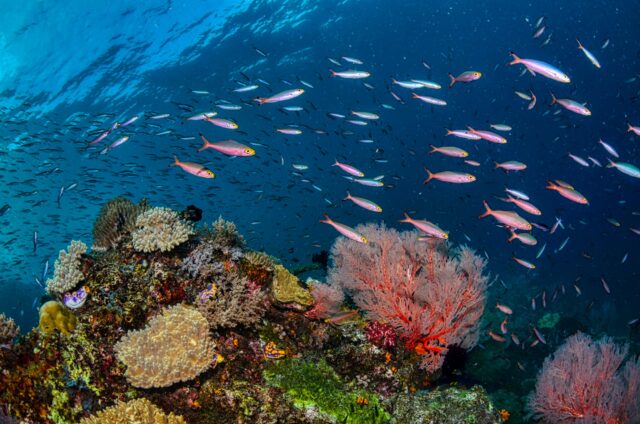
Yet this island paradise is extremely vulnerable to climate change, with 80% of its land lying below sea level. Rising seas and warming waters threaten both human settlements and coral ecosystems. Some scientists predict that the Maldives could become uninhabitable by 2100. In response, the government has launched a national adaptation plan to strengthen resilience against sea-level rise and temperature increases.
Watching Polar Bears in Hudson Bay, Canada
Churchill, Manitoba, is famously known as the “Polar Bear Capital of the World.” Each year between October and early November, approximately 1,200 polar bears pass through the region as they wait for Hudson Bay to freeze so they can hunt seals. The area is also home to beluga whales, Arctic birds, wolves, and dazzling displays of the Northern Lights.
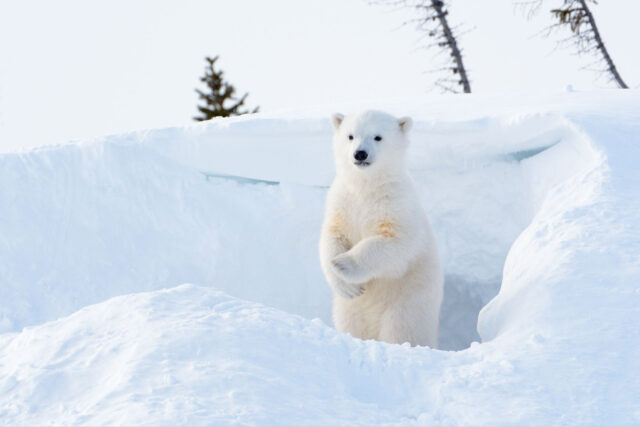
However, climate change is dramatically altering this fragile ecosystem. As Arctic sea ice forms later and melts earlier, polar bears have less time to hunt, leading to longer fasting periods and declining health. Hudson Bay’s polar bear population alone fell by 30% between 1987 and 2011. These changes threaten not only the bears but the entire Arctic food web.
Turning Back Time in Ancient Olympia, Greece
Nestled in the “Valley of the Gods” on Greece’s Peloponnese peninsula, Ancient Olympia is one of the country’s most significant archaeological sites. Once the most important sacred center of ancient Greece, it was here that the Olympic Games were held every four years for over a millennium.
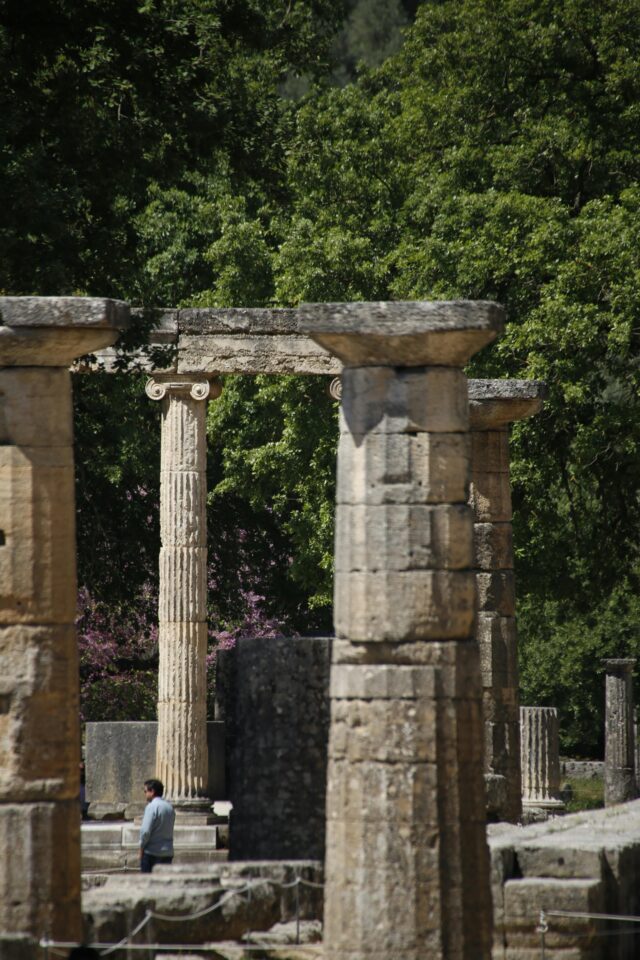
Although only ruins remain today, visitors can easily imagine the site’s former grandeur. The Olympic flame is still ceremonially lit here ahead of each modern Games. Yet wildfires—fueled by extreme heat and climate change—pose an increasing threat. In 2007, flames reached the edge of the site, and ongoing heatwaves continue to endanger cultural heritage across Greece.
Drinking Wine in Bordeaux, France
Bordeaux is home to the largest fine-wine vineyards in the world, with winemaking traditions dating back more than 2,000 years. The region boasts at least 6,000 châteaux producing over 600 million bottles annually. Beyond the vineyards, travelers enjoy medieval towns, historic villages, and architectural treasures.
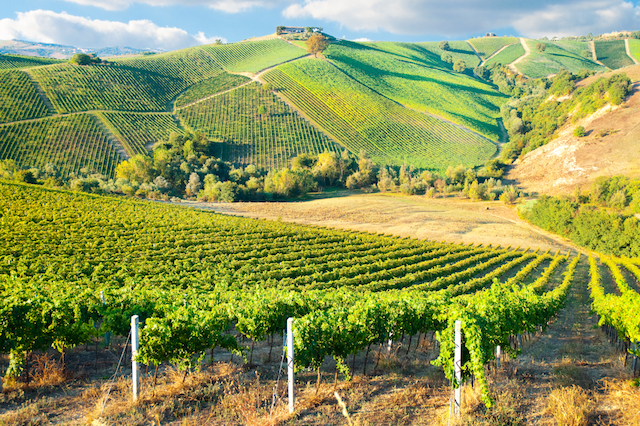
While Bordeaux is renowned for its traditional winemaking methods, climate change is reshaping viticulture. Warmer, drier summers and wetter winters may improve some vintages, but extreme heat, drought, and shifting consumer trends are forcing winemakers to adapt—or even uproot vines entirely. The future of Bordeaux wine, though resilient, is far from guaranteed.
Climbing Kilimanjaro, Tanzania
Mount Kilimanjaro, Africa’s highest peak at 19,340 feet, rises dramatically above the plains of Tanzania. Each year, around 35,000 climbers attempt the ascent, drawn by the promise of breathtaking landscapes, diverse ecosystems, and snow-capped summits. Although no technical climbing skills are required, altitude sickness remains a major challenge.
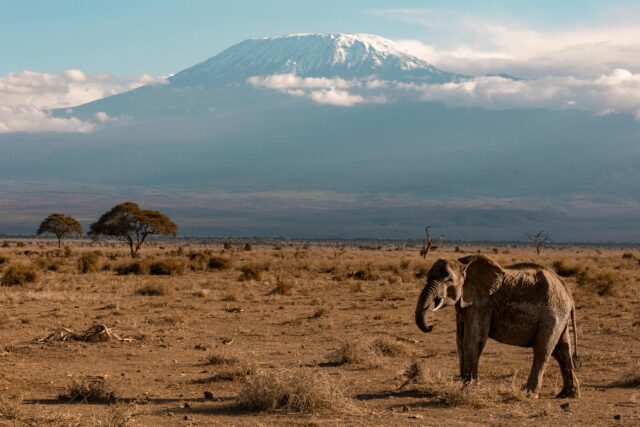
Yet Kilimanjaro’s iconic glaciers are rapidly disappearing, having shrunk by 90% in just a century. Climate change and deforestation have reduced vegetation cover, lowering rainfall and drying out the mountain. The United Nations predicts that Kilimanjaro’s glaciers—estimated to be 11,700 years old—could vanish entirely by 2050.
Dragon Spotting on Komodo Island, Indonesia
Komodo Island, part of Indonesia’s Komodo National Park, is famously home to the world’s largest lizard: the Komodo dragon. These powerful reptiles, which can grow up to 10 feet long, are deeply woven into local legend and culture. The park is also home to rare birds and unique wildlife, making it a biodiversity hotspot.
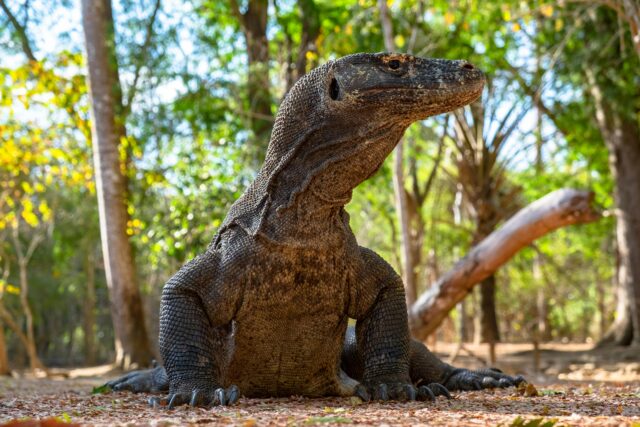
Despite conservation efforts, Komodo dragons are classified as endangered, with fewer than 1,400 adults remaining worldwide. Climate change, habitat loss, and human pressure threaten their survival. In 2019, authorities proposed closing the park to tourists to protect the species, though the plan was later postponed—highlighting the delicate balance between tourism and conservation.
Walking the Great Wall, China
The Great Wall of China is one of the greatest engineering achievements in human history, stretching 13,171 miles across mountains, deserts, and plains. Built over centuries—from the 3rd century BC to the 17th century AD—it served as a massive military defense system along China’s northern frontier and became a UNESCO World Heritage Site in 1987.
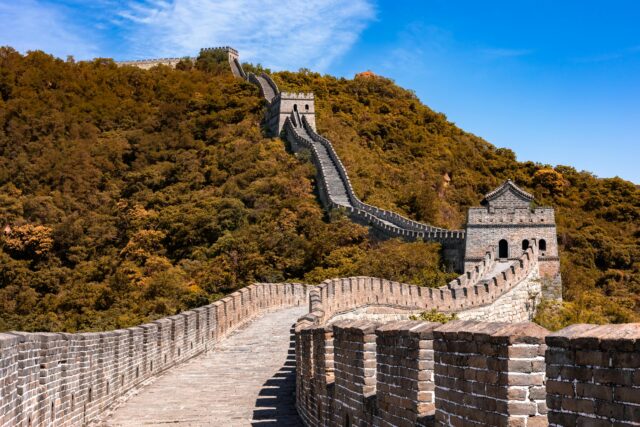
Despite its grandeur, over one-third of the wall has already disappeared, with only 8% considered well-preserved. Natural erosion, mass tourism, illegal construction, and even deliberate damage have taken a heavy toll. In 2023, part of the wall was severely damaged when construction workers cut through it with heavy machinery—an alarming reminder of its vulnerability.
Following in Darwin’s Footsteps in the Galápagos, Ecuador
The Galápagos Islands are a living laboratory of evolution, famously inspiring Charles Darwin’s theory of natural selection. UNESCO describes the archipelago as a “living museum and showcase of evolution,” home to species found nowhere else on Earth—including the iconic giant tortoises that gave the islands their name.
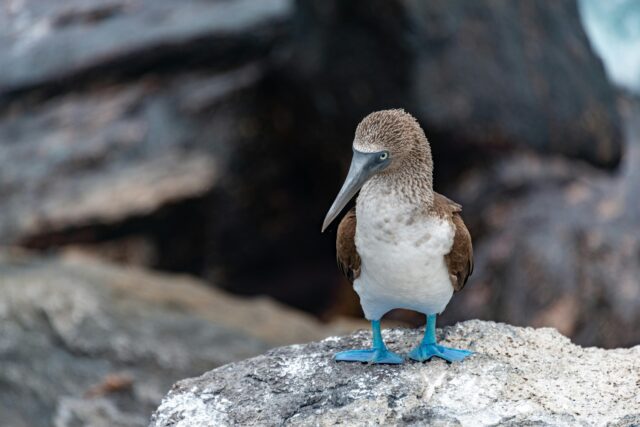
While the Galápagos benefit from some of the world’s strongest conservation protections, they still face serious threats. Invasive species, climate patterns such as El Niño, and increasing tourism pressure all jeopardize fragile ecosystems. Protecting wildlife here is also vital to sustaining the local economy, which relies heavily on ecotourism.
Exploring the Amazon Rainforest, Brazil
The Amazon rainforest is the most biologically diverse ecosystem on Earth, home to over three million species and more than 2,500 types of trees. Spanning 2.3 million square miles across nine countries—most of it in Brazil—the Amazon yields new species discoveries almost daily. Travelers can explore its vast waterways by boat or stay in jungle lodges near protected reserves.

Beyond its extraordinary biodiversity, the Amazon plays a crucial role in regulating the global climate, storing an estimated 150–200 billion tonnes of carbon in its forests and soils. Yet scientists warn that up to 47% of the rainforest could be at risk by 2050 due to rising temperatures, deforestation, droughts, and fires. Encouragingly, international efforts are underway to reduce deforestation to zero by 2030, with Brazil among the signatories.
Travel with Purpose
These destinations remind us that travel is not just about seeing the world—it is about protecting it. As climate change, environmental degradation, and overtourism reshape our planet, responsible travel has never been more important. Choosing eco-conscious operators, respecting local communities, minimizing environmental impact, and advocating for conservation can help ensure that these extraordinary experiences endure—not only for us, but for future generations.
Author: Marija Lazarević, MSc